
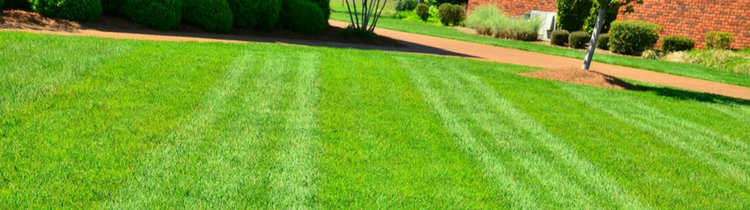
(and exactly what to do instead for a thick, Georgia-proud lawn)
We all want that pro-tour putting-green look. But in Georgia, the very things homeowners do to “help” their lawns often do the opposite—wasting time, money, and water while inviting weeds and disease. Here are six common mistakes that quietly wreck yards across Middle Georgia—and simple, local-smart fixes to turn things around fast.
1) Misidentifying Problems (and Treating the Wrong Thing)
Brown patches? Chewed blades? Thinning turf? If you misdiagnose the issue, you’ll waste money and may make it worse—for example, spraying fungicide on an insect problem or dumping nitrogen on disease-stressed grass.
What to do instead
-
Observe up close. Fungal issues usually show irregular patches with a smoky or ringed edge; insects leave bite marks or stems clipped short.
-
DIY spot test. Mix a few drops of dish soap in a gallon of water and pour over a 1–2 ft² section. If insects (e.g., armyworms, chinch bugs) surface, you’ve found a culprit.
-
Start with a soil test. Georgia’s clay can swing pH and nutrients; correcting pH often solves “mystery” problems.
-
Targeted products > broad blasts. Use the right control (and label rates) for the right issue, only where needed.
Georgia tip: Late-summer armyworms and chinch bugs can hammer Bermuda/St. Augustine; spring/fall diseases like brown patch often hit fescue in shade.
2) Mowing Too Short (Scalping)
“Golf green” heights on home lawns are a myth. Cutting too low weakens roots, exposes soil, and explodes weed pressure.
What to do instead
-
Follow the 1/3 rule: Never remove more than one-third of the blade at a time.
-
Right heights for GA grasses:
-
Bermuda: ~1–2″ (rotary)
-
Zoysia: ~1–2.5″
-
St. Augustine/Centipede: ~2.5–4″
-
Tall Fescue (shade): ~3–4″
-
-
Keep blades sharp. Dull blades shred tips, turning them brown and inviting disease.
3) Waiting Too Long on Weeds (or Nuking the Lawn)
Hand-pulling a few dandelions is fine; waiting until crabgrass has seeded across the block is not. On the flip side, dumping extra weed killer “for good measure” can burn turf and damage roots.
What to do instead
-
Prevent first. Apply pre-emergent at the right times for summer annuals (e.g., crabgrass) and winter weeds (e.g., poa annua).
-
Spot-treat. Use selective post-emergents or a weeding tool on small patches; avoid blanket sprays unless truly needed.
-
Thicken the turf. Overseed fescue areas in fall and feed warm-season lawns after green-up—dense grass outcompetes weeds naturally.
4) Watering Too Often (Shallow & Daily)
Frequent, light watering trains roots to live at the surface. When heat hits, shallow roots bake—and so does your lawn.
What to do instead
-
Deep and infrequent. Aim to deliver ~1 inch of water per week (rain + irrigation), applied in 1–2 deep soakings, not daily sips.
-
Early morning wins. Water before 10 a.m. to reduce evaporation and foliar disease.
-
Use tuna-can gauges or your system’s readout to track actual inches applied.
Georgia tip: Adjust zones for microclimates (full-sun Bermuda needs more than shaded fescue). Georgia clay drains slower—don’t flood slopes; cycle-and-soak instead.
5) Improper Feeding (Wrong Product, Wrong Time, Wrong Rate)
“More fertilizer = more green” sounds right—until you burn the turf or supercharge disease.
What to do instead
-
Match the grass and season.
-
Warm-season (Bermuda/Zoysia/St. Augustine): Wait until consistent green-up before feeding; favor slow-release nitrogen through summer.
-
Tall Fescue: Focus nutrition in fall and late winter; avoid heavy summer nitrogen.
-
-
Read labels and spread evenly. Calibrate your spreader; overlap consistently.
-
Feed the soil, too. If your soil test calls for lime or micronutrients, fix that first—pH drives nutrient uptake.
6) Planting the Wrong Grass for Your Site
Sun vs. shade, traffic, irrigation, and soil all dictate success. Putting sun-loving Bermuda under oaks or shade-tolerant fescue in full blazing sun sets you up to battle nature—and lose.
What to do instead
-
Map your yard by light. Full sun (6–8 hrs), partial (3–6), or shade (<3).
-
Choose by zone:
-
Full sun: Bermuda or Zoysia (tighter, drought-tolerant carpets)
-
Light shade: Certain Zoysias; Tall Fescue for heavier shade
-
Low-input areas: Centipede (where adapted)
-
-
Mix smartly. It’s normal to use different grasses in different zones; uniformity comes from health, not forcing a single species everywhere.
Bonus Fix That Supercharges Everything: Aerate + Topdress
Once a year (often late spring for warm-season or fall for fescue), core aerate compacted Georgia clay and topdress lightly with compost or sand/compost blends. You’ll improve air/water movement, thicken roots, and boost microbial life—your best natural defense against weeds and disease.
If You’re Prepping to Sell—or Just Done With Yard Work
Great curb appeal adds real value. If you’re selling soon, focus on clean edges, a sharp mow, weed-free beds, and fresh mulch—high-impact, low-cost wins. And if the yard has become a money pit (or you’d rather spend weekends somewhere other than the mower seat), Middle Georgia Cash Homes can buy your Georgia home as-is—yard and all—with no commissions and a fast, local closing. Take what you want; we’ll handle the rest.
Questions or a fast, fair offer? Call 478-216-1795 .