
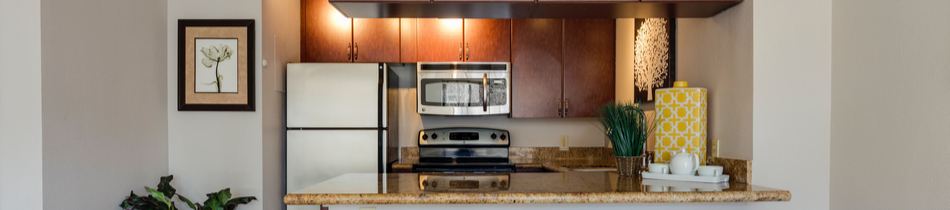
Thinking about downsizing your property in Georgia? You’re not alone. Many homeowners reach a season where the big house that once made sense now feels like a chore. Closets fill up, unused rooms collect dust, and weekends disappear into maintenance. The good news: once you take the first steps toward a right-sized home, most people say they wish they’d done it sooner.
Below are six smart, modern reasons a smaller home can be a big win—plus a simple action plan to help you make it happen without the stress.
1) Less To Clean (and Fewer Weekend Chores)
With fewer rooms, you’ll have less to dust, mop, vacuum, and maintain. That means fewer hours on housework and more time for… literally anything else. Regular tasks—like wiping baseboards, cleaning windows, or changing HVAC filters—shrink with the square footage. You’ll also skip the “empty room tax” (spending time and money cleaning spaces you rarely use). In a right-sized home, you’re cleaning after your life, not an oversized floor plan.
Pro tip: Create a 30-minute weekly tidy routine and retire the “all-day Saturday clean” forever.
2) Built-In Clutter Control (Hello, Peace of Mind)
Large homes invite “just put it in the spare room.” Smaller homes nudge you toward intentionality. Fewer hiding spots = less clutter. That matters for your headspace, too—research consistently links tidy, simpler environments with lower stress and better focus.
Quick wins that work:
- Adopt “one-in, one-out” for clothes, books, and kitchen gadgets.
- Use closed storage (drawers, baskets) so surfaces stay clear.
- Digitize paperwork and photos to free up physical space.
3) Lower Ongoing Costs (Utilities, Taxes, Insurance)
Right-sizing usually means a smaller monthly footprint:
- Utilities: Less to heat and cool, and usually fewer TVs, boxes, and smart devices.
- Property taxes: Often lower because assessed values track size/market value.
- Insurance: Smaller structures typically cost less to insure.
Even a few hundred dollars saved each month adds up to thousands per year—money you can redirect to travel, investments, or a cushion for the unexpected.
4) Repairs & Upgrades Cost Less (And Finish Faster)
Materials and labor scale with size. A compact home makes improvements more affordable and more impactful:
- Roofing: Fewer squares = smaller bill.
- Flooring/paint: Lower material costs and fewer labor hours.
- Kitchens/baths: Fewer linear feet of cabinetry and countertop to replace.
Put simply: the same budget stretches farther, so you can choose higher-quality finishes without overspending—and complete projects in days, not weeks.
5) More Connection, Better Daily Flow
In big houses, families can go hours without crossing paths. Smaller homes naturally encourage more face-to-face time and make shared routines simpler—morning coffee, homework at the table, movie night on the sofa. You’ll also get to know exactly how you use your space and design around it (multi-use rooms, built-ins, and flex zones are your friends).
Design ideas for cozy, not cramped:
- Use lighter wall colors and plenty of natural light.
- Opt for scaled furniture (sofas with slimmer arms, round tables).
- Choose dual-purpose pieces—storage benches, Murphy beds, nesting tables.
6) Total Cost of Ownership Drops (And Your Options Grow)
Beyond monthly bills, a smaller home lowers the total cost of ownership: fewer appliances to replace, fewer windows to repair, smaller lawns to care for, and less wear and tear. When your housing costs drop, your options expand—retire earlier, travel more, help family, or simply stack cash for the future.
Bonus: Location Flexibility & Less Risk
Right-sizing often opens doors to better locations—closer to work, parks, schools, or favorite shops—because smaller homes can be more accessible in prime areas. And if the market shifts, operating a leaner monthly budget gives you more resilience and less stress.
A Simple, No-Stress Downsizing Game Plan
Step 1: Define your next-home “must-haves.”
List the rooms and features you actually use weekly. (Example: 2 bedrooms + office nook, walk-in shower, single-level living, small fenced yard.)
Step 2: Start the “keep/donate/sell” sprint.
Work one category at a time—linen closet, pantry, garage—so you feel momentum. Photograph sentimental items before you let them go.
Step 3: Right-size your furniture.
Measure your likely room sizes and only keep what fits. Consider selling large pieces and replacing them with scaled, storage-smart options after you move.
Step 4: Get a real net number for your sale.
Ask any buyer (agent sale or direct buyer) for a plain-English net sheet that shows:Sale price – commissions/fees – closing costs – taxes/HOA prorations – repairs/credits = Cash to you.
Choose based on net, timing, and hassle, not just list price.
Step 5: Choose the cleanest exit.
If you want privacy, speed, and “as-is” simplicity, a direct sale may beat months of showings and repair lists.
How Middle Georgia Cash Homes Makes Downsizing Easy in Georgia
- As-is sale: take what you want, leave the rest—we handle clean-out.
- No commissions or junk fees: you get a written net up front.
- Flexible closing: pick your date (often 7–21 days or later if you need time).
- Private & simple: one brief walkthrough, no open houses, no constant showings.
- Local attorney closing: safe, transparent, Georgia-standard paperwork.
Want to see exactly what you’d net without repairs, staging, or weeks of showings? We’ll lay it out in writing so you can compare your options confidently.
Let Middle Georgia Cash Homes help when you’re ready to downsize or find smaller houses in Georgia. Call us at 478-216-1795 today.