
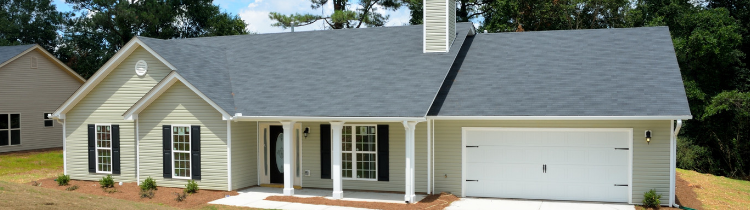
If you’re thinking about selling a mobile or manufactured home in Georgia, the first step is nailing down a realistic value. Unlike site-built houses, manufactured homes can be classified and financed differently, so pricing them correctly takes a slightly different playbook. Use this guide to estimate value with confidence—and if you want a no-pressure, local opinion, Middle Georgia Cash Homes can help and even buy your home as-is.
1) Clarify what you’re valuing (home-only vs. home + land)
Start by deciding whether you’re selling:
-
Home + land (real property): The home has been permanently affixed and, in Georgia, typically has a recorded Certificate of Permanent Location with the title canceled so it’s taxed and transferred like real estate.
-
Home-only (chattel): The home sits on leased land (park/lot) and transfers by title, like a vehicle. Value is based on the structure, community, and remaining lot lease—not the dirt.
Georgia note: If the home sits on your land but the title hasn’t been canceled, buyers and lenders may treat it like personal property. A quick call to the county records and the Georgia DOR can confirm status. Cleaning this up can increase your buyer pool and your price.
Collect the basics:
-
Make/manufacturer, model, year
-
Size (single-wide, double-wide, triple; length × width)
-
HUD data plate & certification label (usually in a cabinet/closet and on exterior)
-
VIN/serial number
-
Bed/bath count, ceiling height, key options (fireplace, upgraded insulation, drywall vs. paneling)
-
Foundation type (piers vs. permanent; FHA-style foundation boosts value/financing options)
2) Inspect inside and out (and underneath)
Use a simple checklist to uncover condition items that move value up or down:
Interior
-
Floors: Any soft spots or delamination (common near kitchens/baths/entry)?
-
Ceilings/walls: Water stains, seam gaps, or panel damage?
-
Electrical: Test outlets/switches; GFCIs in wet areas.
-
Plumbing: Check for leaks at sinks, toilets, water heater; look at supply lines.
-
HVAC & water heater: Age and performance.
-
Windows/doors: Seal, operation, and energy efficiency.
-
Additions: Porches, rooms, carports—were they permitted and properly tied in?
Exterior/Underbelly
-
Roof: Metal/TPO/shingle; look for repairs or missing shingles.
-
Siding & skirting: Damage, rot, or missing pieces.
-
Tie-downs/anchoring: Condition and code compliance.
-
Underbelly: Insulation intact? Moisture or pest evidence? Loose wiring?
Document with photos. Buyers (and appraisers) pay for condition more than décor.
3) Research sold comps—apples to apples
Look for recent sales of comparable manufactured homes:
-
Home + land: Pull sales within 0.5–1 mile (urban/suburban) or up to 5 miles (rural). Prioritize other manufactured homes on owned land, similar year, size, and condition.
-
Home-only in a park: Check park and nearby parks. Closed sales, not just active listings. Park rules (age-restricted, owner-occupied only, rental caps) affect demand and price.
County assessor values can be a starting point, but they’re often below market and don’t fully account for condition.
4) Factor the neighborhood & the community
Even mobile homes are location-sensitive:
-
Schools, commute, healthcare access, shopping, crime statistics, amenities
-
Community rules/fees: Lot rent, utilities, pet limits, amenity packages, approval process, and whether the park allows resales/moves.
-
Age-restricted or resident-owned communities can add premiums; strict approval processes or higher lot rent can lower what buyers can pay.
5) Use the NADA Manufactured Housing Appraisal Guide (then adjust)
The NADA guide (think “Kelley Blue Book” for manufactured homes) gives a structure-only value based on year, size, options, and condition. It’s useful—especially for home-only sales—but:
-
It excludes land (add land value separately using land comps).
-
It assumes typical condition; adjust for your real punch-list.
-
Local demand and park dynamics may push value up or down from the guide.
6) Don’t ignore move/setup costs (they hit value)
If the home must be moved, buyers will subtract:
-
Tear-down, transport, permits, re-setup, utility hook-ups, new skirting/steps, and sometimes a new foundation certification. That can run several thousand dollars locally.
-
If the home can stay in the park with an approved buyer, you’ll typically net more.
7) Financing reality = pricing reality
Buyer financing drives value:
-
Home + land on a permanent foundation can qualify for conventional/FHA/VA (age/condition rules apply).
-
Home-only typically needs cash or chattel financing; older homes or those needing work often sell cash, which compresses price.
-
Offering seller financing (if you’re able) can increase demand and support a higher price in exchange for payments.
8) A simple valuation framework
If selling Home + Land
If selling Home-Only (Park)
Sense-check your target against recent sold comps and your timeframe. If you want a faster, as-is sale, price toward the lower end of the range or consider a direct sale.
9) When to hire a pro
Bring in a licensed appraiser experienced with manufactured housing when:
-
A buyer’s lender requires it,
-
There’s probate/divorce/estate value needed, or
-
Your home is unique (rare size/additions) and comps are thin.
They’ll reconcile comps, condition, and classification (real vs. personal property) to support your price.
10) Want a quick, local read (and an offer)?
At Middle Georgia Cash Homes, we evaluate manufactured homes every week in Georgia. We can:
-
Give you a clear, no-obligation number,
-
Buy as-is (home-only or home + land),
-
Close on your timeline, and
-
Save you repairs, showings, and fees.
Call 478-216-1795 and we’ll walk you through the numbers—no pressure.